
How to run Superbacked OS on Intel or AMD computer
Requirements
- Computer compatible with Ubuntu 24.04.3 LTS
- USB flash drive (used to run Superbacked OS, 16GB min, faster is better)
- Plug-and-play or built-in webcam (1080p min)
Recommendations (optional)
Physically removing internal disk(s) and wireless interface(s) if not soldered to motherboard or disabling interface(s) using BIOS if soldered is recommended to disable data persistence and network connectivity at the hardware level.
Running Superbacked OS on flash drive with signed firmware and write protection enabled such as Kanguru FlashTrust™ Secure Firmware USB 3.0 Flash Drive (WP-KFT3-16G) is recommended.
Superbacked OS USB flash drive guide
Step 1: install Raspberry Pi Imager
macOS or Windows
Go to https://www.raspberrypi.com/software/, download and install Raspberry Pi Imager.
Ubuntu
Heads-up: depends on Qt.
Step 2 (optional): opt out of Raspberry Pi Imager telemetry
Select “App Options”, disable “Enable anonymous statistics (telemetry) collection” and click “Save”.
Step 3: download Superbacked OS
Heads-up: for additional security, verify Superbacked OS release.
macOS or Ubuntu
Windows
Heads-up: requires WSL to be installed first using
wsl --install(if applicable).
Heads-up: replace
Sun Knudsenwith your username.
Step 4: copy Superbacked OS to USB flash drive
Open “Raspberry Pi Imager”, click “OS”, then “Use custom”, select superbacked-os-amd64-1.10.0.img.xz, click “Storage”, select USB flash drive, click “NEXT”, then “WRITE” and, finally, click “I UNDERSTAND, ERASE AND WRITE”.
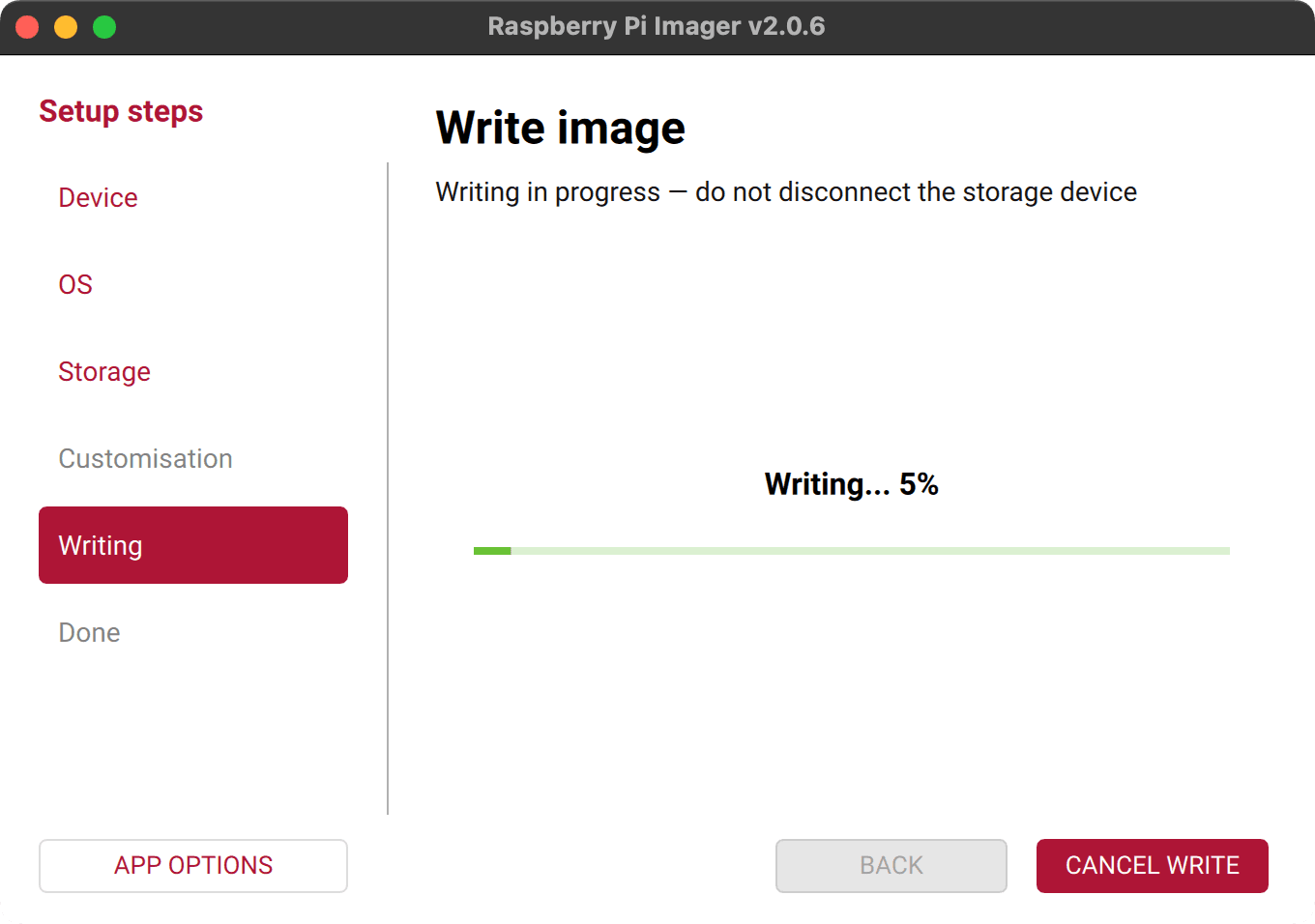 Raspberry Pi Imager, release semver may differ
Step 5 (optional): enable write protection
If using Kanguru FlashTrust™ Secure Firmware USB 3.0 Flash Drive or equivalent, enable write protection.
Computer provisioning guide
Step 1 (optional): physically remove internal disk(s) and wireless interface(s) if not soldered to motherboard or disable interface(s) using BIOS if soldered
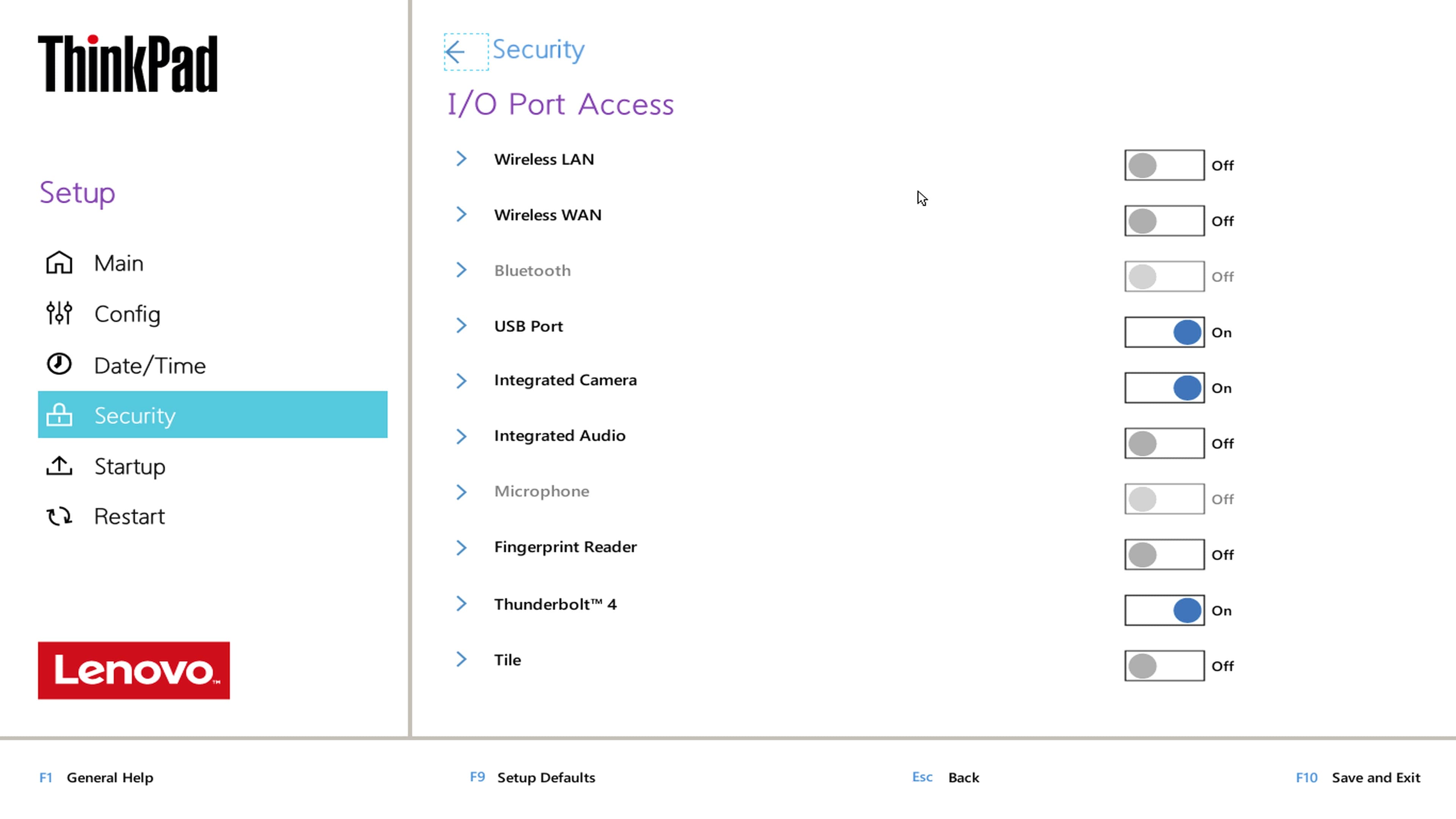 I/O Port Access, BIOS menu may differ
Step 2 (if applicable): enable “Secure Boot” and disable “Boot Order Lock”
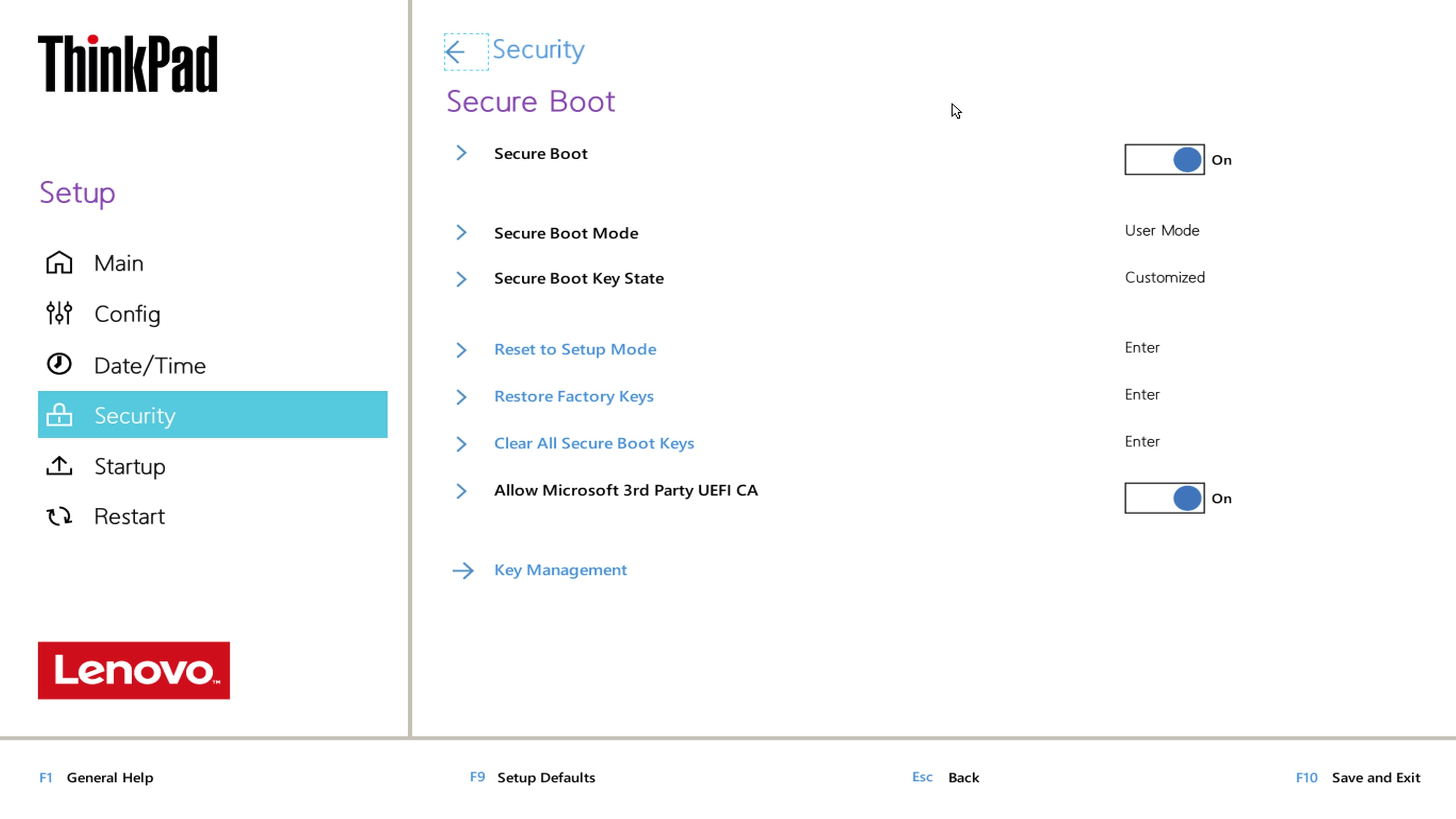 Secure Boot, BIOS menu may differ
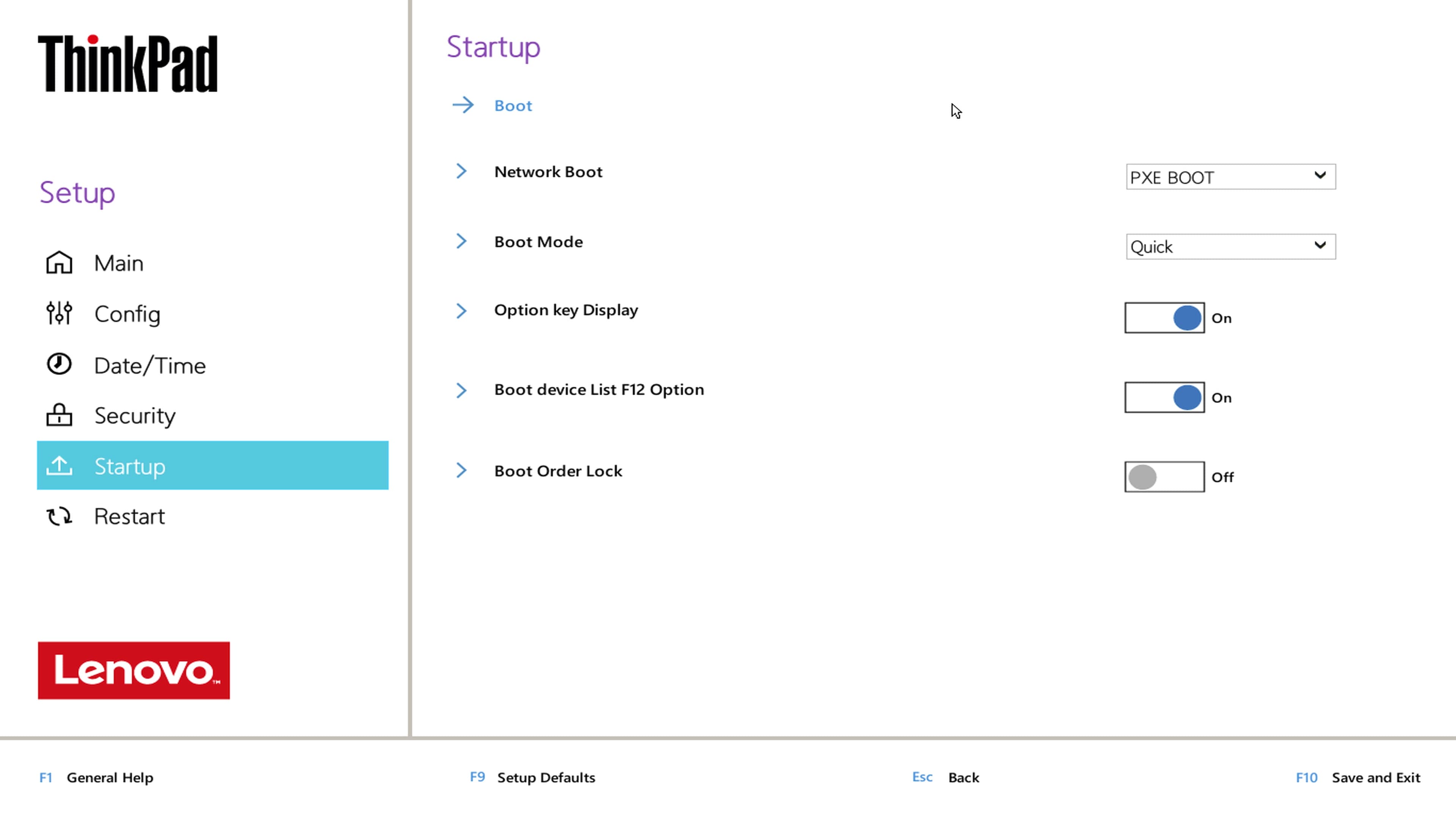 Boot Order Lock, BIOS menu may differ
Step 3: boot Superbacked OS
Step 4: reboot
Step 5 (if applicable): enable “Boot Order Lock”
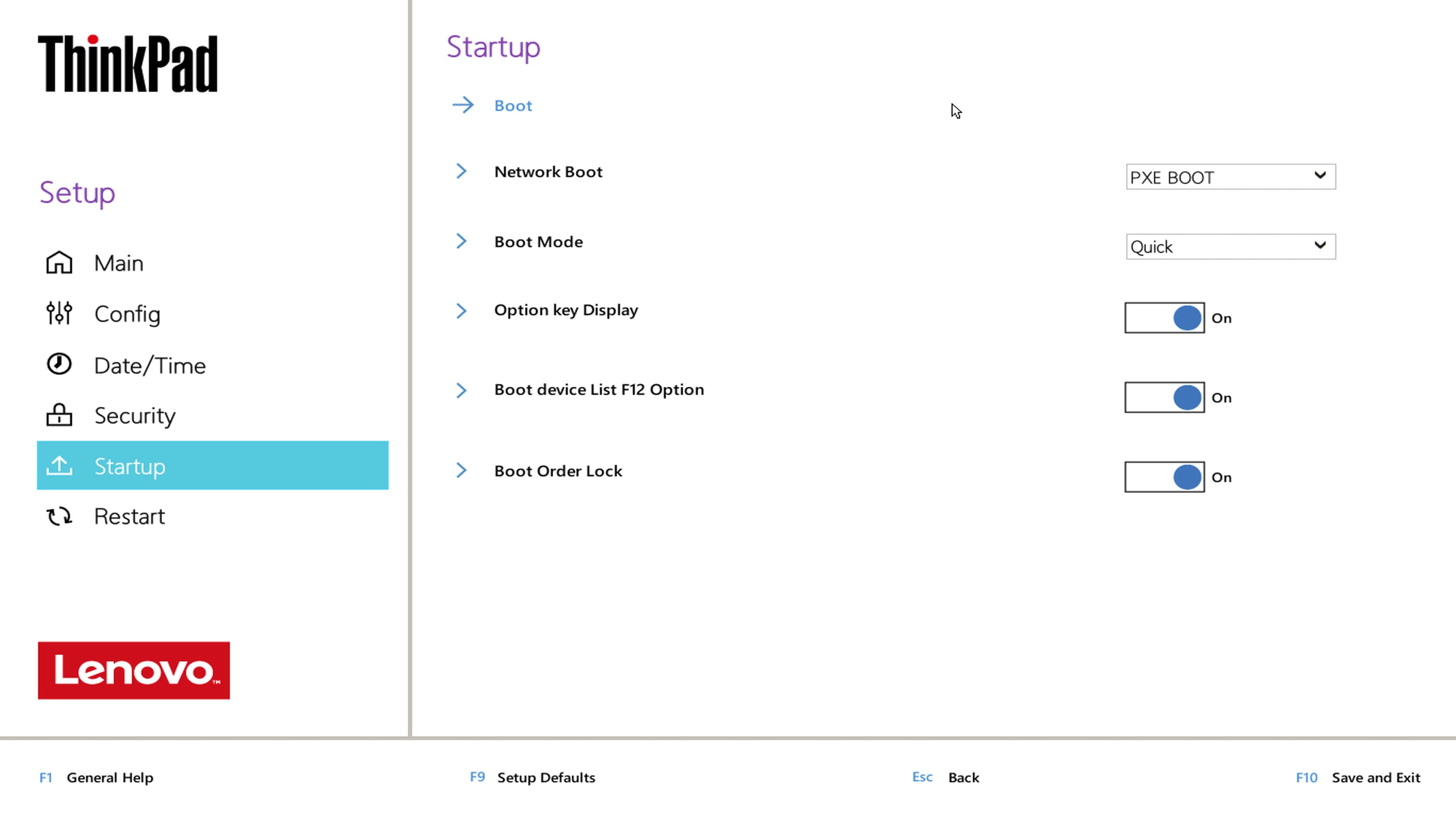 Boot Order Lock, BIOS menu may differ
Usage guide
Step 1 (if applicable): unplug Ethernet cable
Step 2: boot Superbacked OS
Heads-up: password is “superbacked”.
Boot Superbacked OS using “Advanced options for Ubuntu” and “Ubuntu, with Linux 6.14.0-37-generic” (required when using write-protected hardware).
If scanning blocks does not work, please try using a higher quality 1080p webcam such as the Razer Kiyo X.
Copyright (c) Superbacked, Inc.